Skip to content

The Positive Behaviour Support Playbook

A guide to creating successful and person-centred Positive Behaviour Support plans for learning disability care providers.

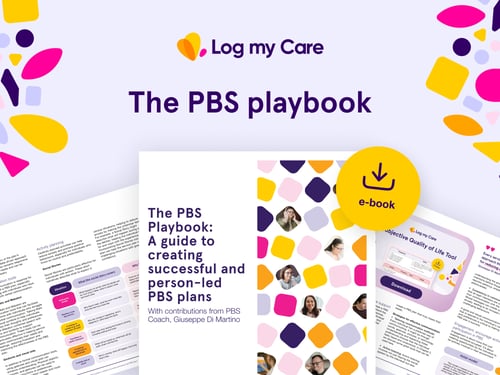
The PBS Playbook

A practical guide to building person-centred PBS plans, covering foundations, tools and strategies, environment, securing buy-in, staff engagement and rollout. Written with PBS Coach Giuseppe Di Martino for Learning Disability and complex care teams.
FeatureImage_PBS

What is Positive Behaviour Support? A practical guide to Positive Behaviour Support

Positive Behaviour Support (PBS) is a way to understand behaviour and improve quality of life for people who may display behaviours of concern. It always starts with the individual: what matters to them, how they communicate, and what could help them participate more fully in everyday life.

That understanding is used to develop practical support. A PBS plan might change how staff communicate with someone, adapt an environment or help the person develop skills that give them more independence. It should also give staff clear guidance on recognising and responding safely to distress.

For complex care teams putting PBS into practice, staff need to understand and use it consistently, the environment needs to support the plan, and it needs to be reviewed and adapted as the person's needs change.

What should a PBS plan cover?

A good PBS plan is built from assessment and observation to understand why a behaviour occurs.

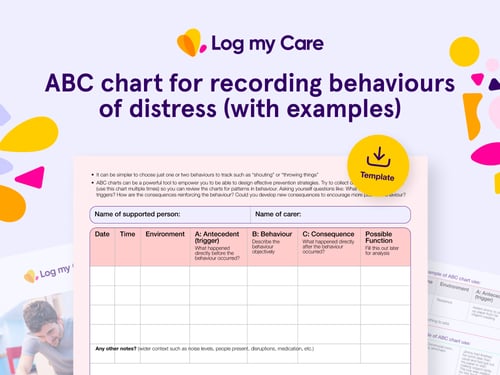
Teams need to know the person's communication, preferences and goals, and the situations or needs that may contribute to distress. Tools such as functional assessment and ABC charts can help build that picture, while day-to-day observations add information about what happens across different activities, people and settings.

The plan should set out the support the person needs in everyday life. That includes proactive strategies designed to reduce distress and improve quality of life, guidance for responding safely when the person becomes distressed, and opportunities to develop skills or greater independence.

PBS plans should also be open to change. Recording what happens in practice allows teams to test their understanding, see whether strategies are helping and update support as the person's needs change.

Components, tools and strategies

Our guide to designing PBS plans: components, tools and strategies for complex care teams takes a closer look at building an individual plan.
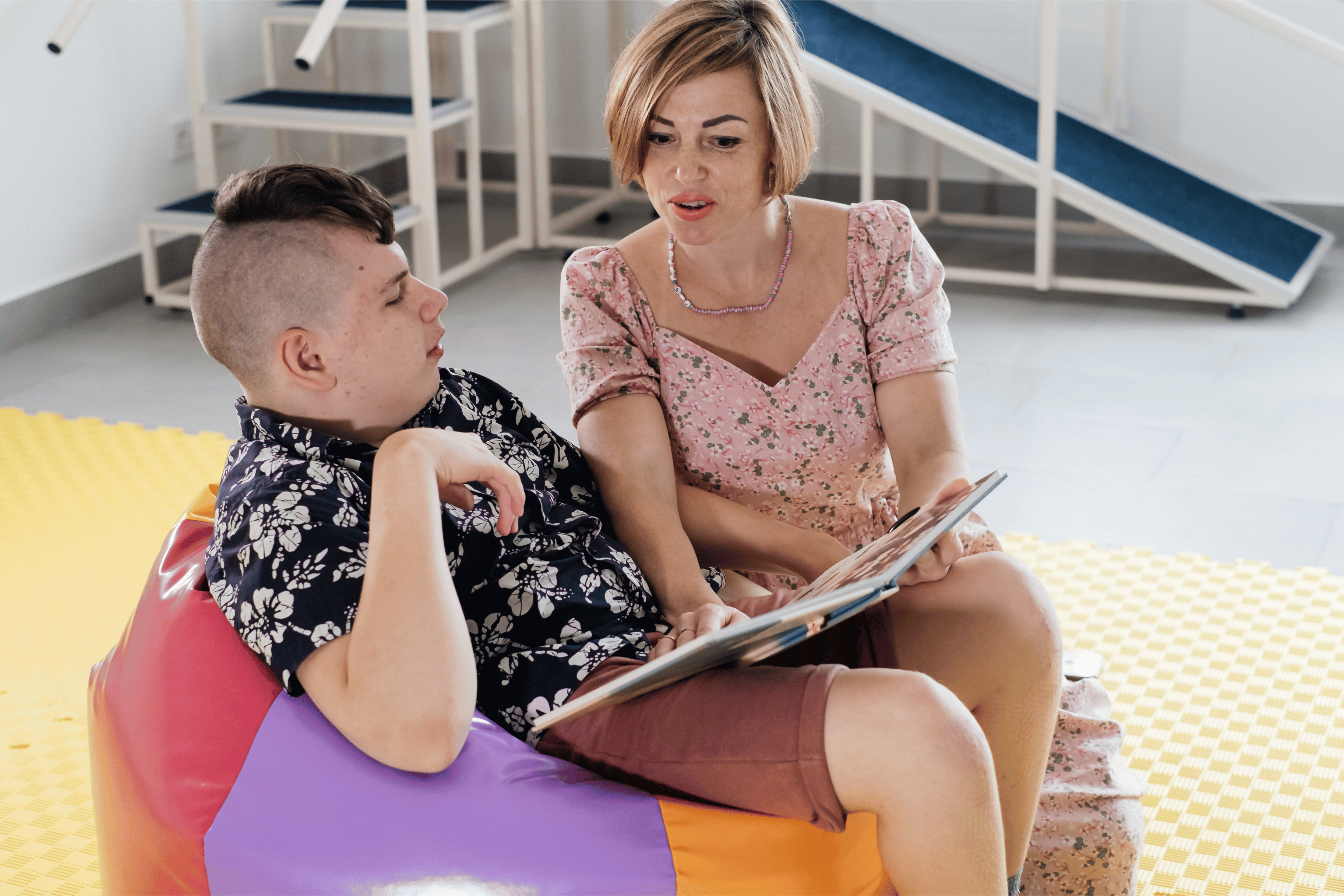
A woman and young man read together indoors. She holds an open book, looking at him as he sits in a colourful beanbag. Therapy equipment is in the background.

Creating the conditions for PBS to work

Tips for creating capable environments, supporting independence and preparing frontline teams to use PBS consistently. It also covers handovers and temporary staffing, where information can easily be lost between people or settings.

Young man with glasses and headphones, smiling on a gray couch with a plant in the background.

Rolling PBS out across a service

Our step-by-step guide to securing buy-in and rolling out PBS starts at organisational level and moves through to individual plans. From establishing a baseline, it moves through developing the plan with the person, preparing the team and reviewing whether strategies have worked as intended.
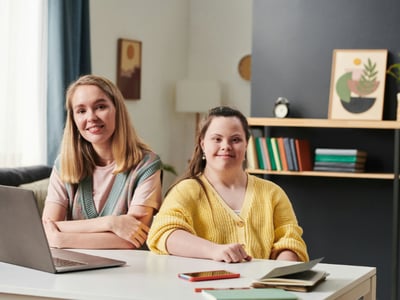
two people sitting at a table with a laptop, phone and notepad, one of them has downs syndrome

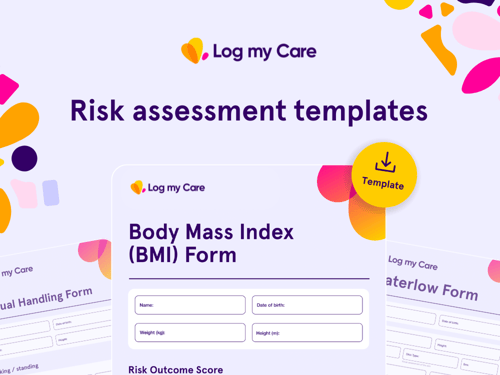
Positive Behaviour Support tools and templates 

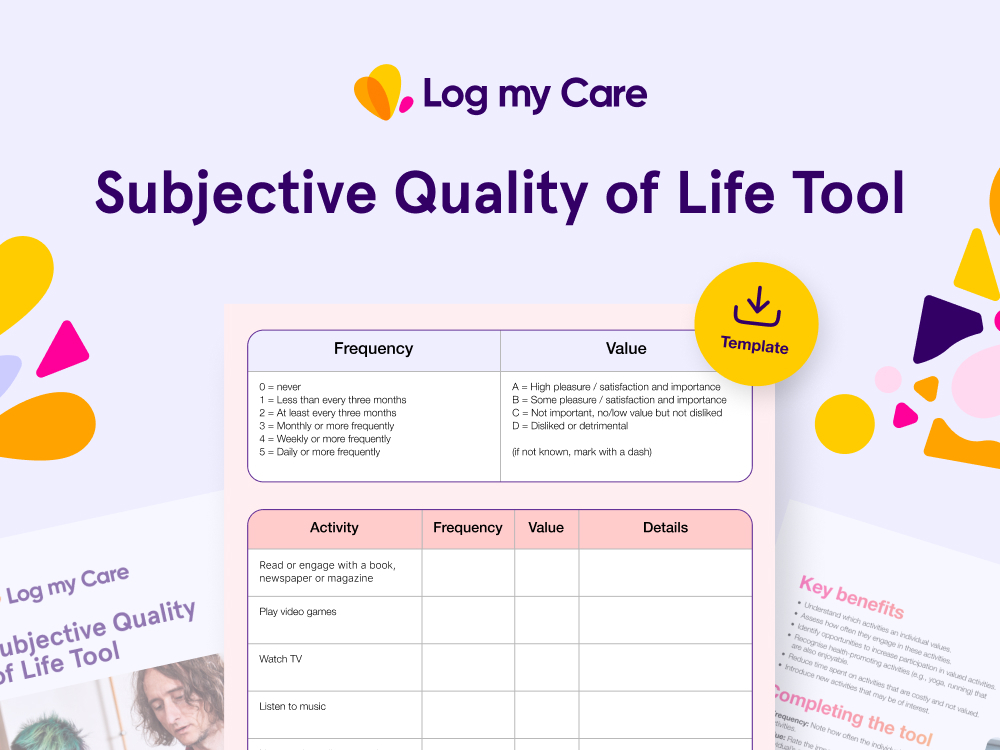
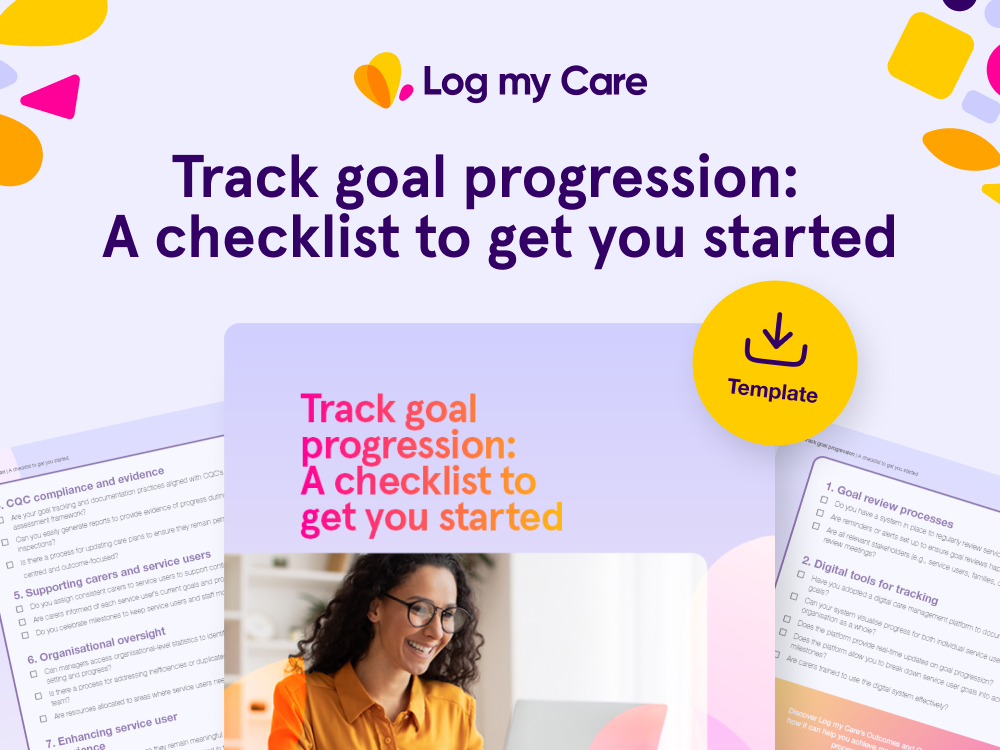
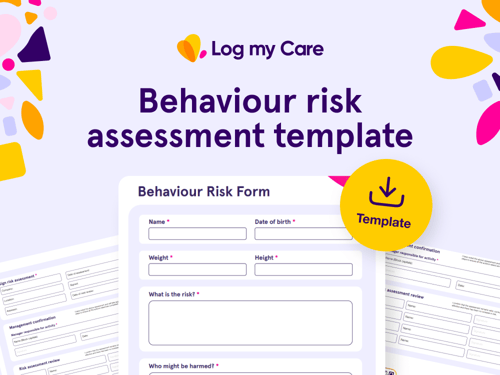
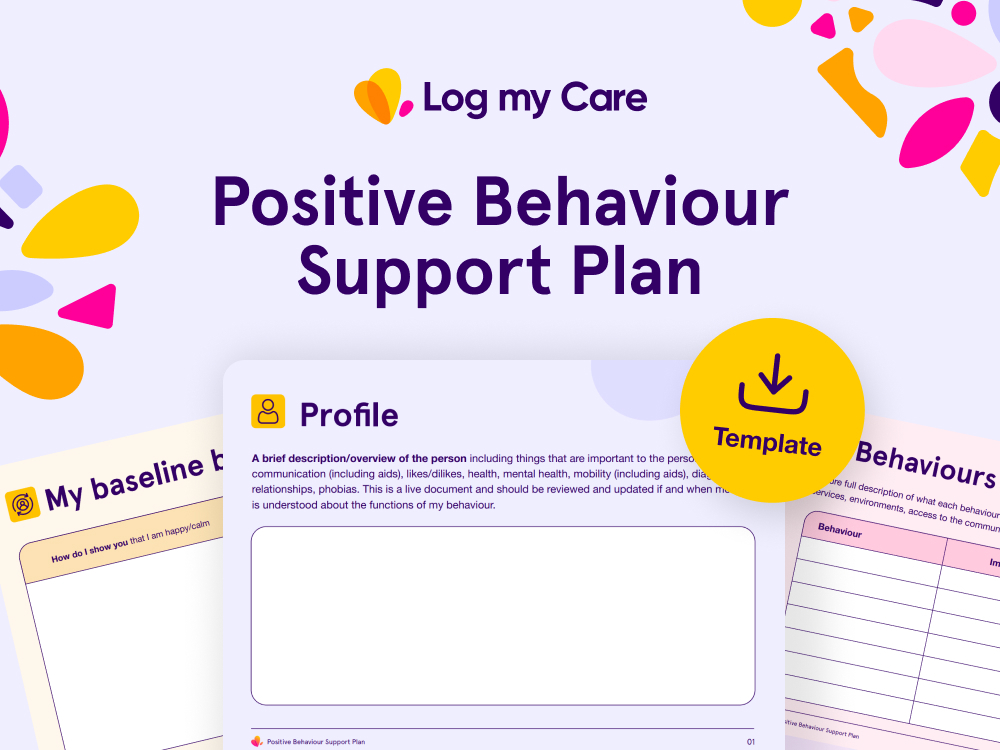
These practical resources can support PBS assessment, planning and review:

PBS plans with Log my Care

PBS plans built on proven templates, with proactive, active and reactive strategies shown in a clear traffic light system. Link plans to risks and goals so teams see the full picture - understanding behaviour, reducing restrictive practice, and helping people thrive.


care plans orange
Log my Care logo

Ready to start the conversation?

Over 30 minutes, we'll discuss your challenges and needs, while also exploring how Log my Care can assist you in achieving your goals.