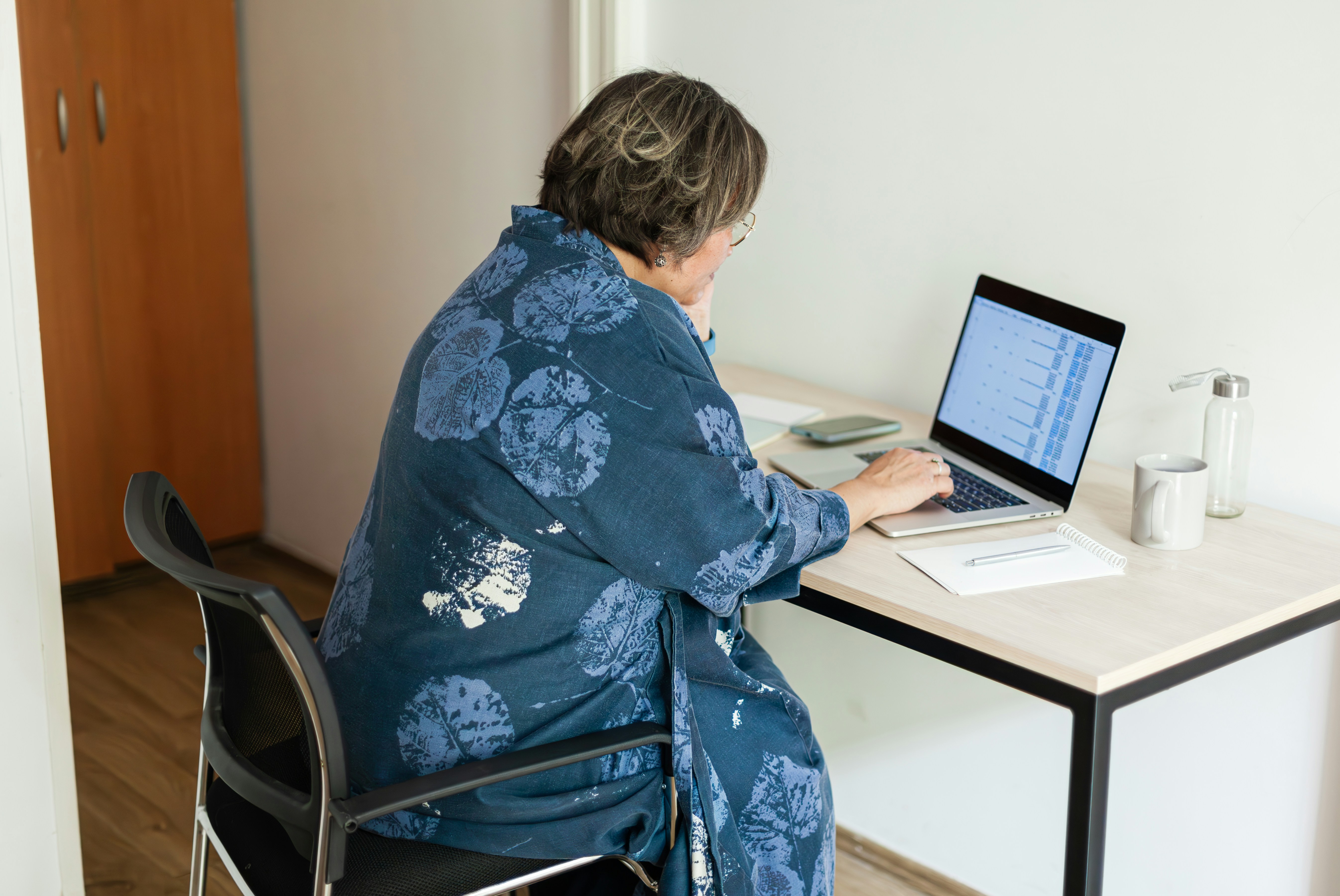
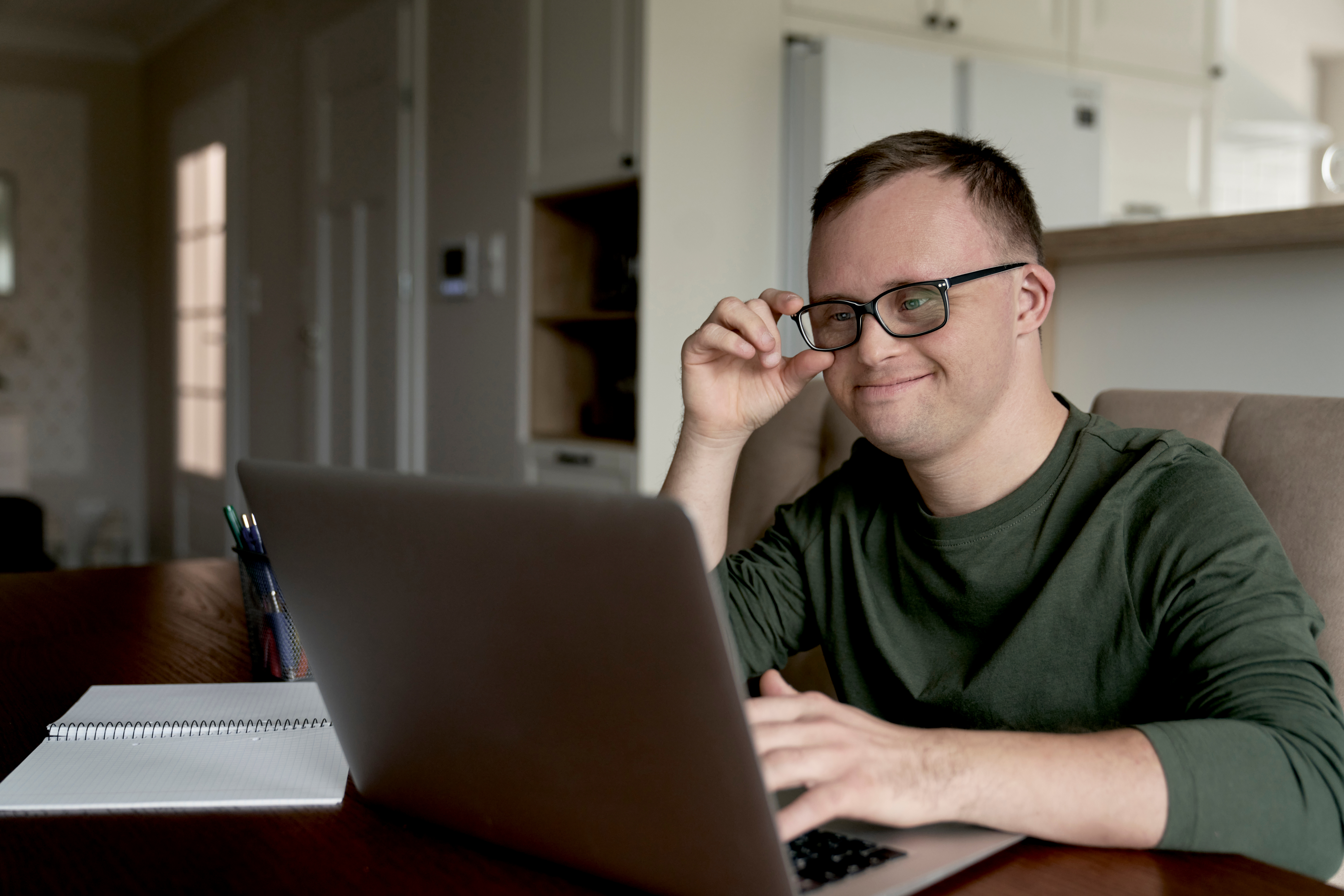
Care management software brings care recording, planning and compliance evidence into one place, giving care teams and managers a live picture of how care is actually being delivered. Carers log daily tasks, health observations and behaviour directly from a phone or tablet, in the moment, on shift.
The old way versus the new way
Paper-based recording puts a manager hours or days behind what's actually happening on shift. Patterns in incidents, medication or behaviour sit buried in a filing cabinet until someone goes looking, usually after something's already gone wrong.
Digital care management changes the timeline. Managers get real-time visibility across a service, or several, care plans and risk assessments that stay current, and CQC evidence that's ready before the inspector arrives. For providers regulated by the CQC, Care Inspectorate, CIW or RQIA, that visibility protects a rating and a reputation every day, not just on inspection day.
The strongest systems go further still. They turn everyday recording into intelligence, so patterns in incidents, medication or behaviour surface before they become a bigger problem, and managers can act ahead of a crisis rather than respond to one. That's the real shift: from a system that stores what happened to one that helps you see what's coming.
Key features to look for
The right features depend on your care setting, but a few capabilities matter across the board.
- Care planning and risk assessments - structured, person-led plans that carers can access on shift, with risk information linked directly to the plan it relates to, such as PBS plans linking to relevant risk assessments.
- Incident management and safeguarding - a guided way for carers to log incidents as they happen, with role-based visibility so sensitive safeguarding information reaches only the right people.
- Outcomes and goals - the ability to set, track and evidence progress against person-led goals, essential for learning disability and complex care providers.
- eMAR - MAR charts, administration prompts and stock tracking, reducing medication error risk.
- Rostering and family communication - staff scheduling and family updates built into the same system carers already use, not run through a separate tool.
- Offline mobile access - carers in supported living or home care settings need a system that works without signal and syncs the moment it's back.
- CQC-ready reporting - dashboards and exports that turn daily recording into audit evidence, so managers aren't building a separate report from scratch.
A system that handles most of this natively saves care teams from entering the same information twice, and gives managers one place to look instead of five.
Frequently asked questions
What is care management software? Care management software helps social care providers plan, record and evidence the care they deliver, replacing paper-based systems with a connected digital platform.
Why does integration between features matter? When care planning, incident management, eMAR and rostering sit in one system, information flows through once. Split across separate tools, the same data gets typed in twice, and something eventually gets missed.
How does mobile access benefit care providers? Mobile access lets carers log care, view plans and flag concerns in the moment, even without signal in supported living or home care settings, syncing automatically once they're back online.
Is purpose-built care management software different from generic healthcare software? Purpose-built care management software is designed around CQC evidence, person-centred planning and the realities of shift-based care delivery. Generic healthcare software is built for a different world and it shows. Cloud-based, sector-specific systems also scale more easily across multiple sites.
What should I consider when evaluating costs? Look at setup fees, ongoing subscription costs and contract length together, not just the monthly price. A long contract can lock you into a system that's already stopped fitting how you work.
What kind of support should I expect from a supplier? Look for a supplier that acts as a partner through implementation and beyond: responsive support, clear migration help, and people who actually understand your care setting.
If you're ready to compare options
Once you know what to look for, [Best care management software in the UK: how the platforms compare] runs through the leading platforms side by side, and [How to choose care management software: a step-by-step guide] walks through the full selection process.
See it in action
Book a 1-1 demo with one of our digital care advisors and see what moving off paper actually looks like day to day.